First trimester essentials
Top things I wish I knew or that helped me during the first trimester
4/16/20265 min read


Congratulations on your positive pregnancy test!
This is such a special moment, and I hope you are feeling excited and proud of the amazing changes your body is beginning to go through.
In the first weeks of pregnancy, you may start noticing both physical and emotional changes slowly appearing. At the same time, if you begin searching online, you’ll quickly see an overwhelming amount of information, advertisements, and seemingly endless lists of “must-have” baby products. Social media can make it feel like you need to buy everything immediately.
But take a deep breath — there is no rush.
You do not need to buy everything at once, and the first trimester is not really about baby gear yet. The first trimester is about taking care of yourself.
Focus on the basics:
eating nourishing foods (when nausea allows!)
staying hydrated
resting as much as possible
and slowly beginning to imagine the new life growing inside you.
Below is a list of first trimester essentials and practical tips that helped me and many other first-time moms navigate these early weeks. I have also added helpful links to my recommended products from Amazon, so you can easily order everything you may need from one place! If you buy anything using my link, I will get a small commission and this will help me to keep on writing this blog, so thank you!
Prenatal Vitamins
If you haven’t already, I strongly recommend starting a prenatal vitamin as soon as possible. Prenatal vitamins contain important nutrients that support your baby’s early development. This one has majority of necessary elements for planning and pregnancy.
One of the most important nutrients in early pregnancy is folic acid. Experts recommend taking at least 400 micrograms daily, as it helps support the healthy development of your baby’s brain and spinal cord. If you want clean formulas and to take the folic acid only - try this one.


Omega-3 Fatty Acids (DHA & EPA)
Omega-3 fatty acids are important for fetal brain and eye development. Many prenatal supplements already include DHA, but if yours does not, you may consider adding an omega-3 supplement containing high concentrations of DHA and EPA such as these capsules from Natural Elements.
Some studies suggest omega-3 intake during pregnancy may help support maternal mood and reduce the risk of postpartum depression, although it should not be considered a guaranteed prevention.
Stay Hydrated (Electrolytes Can Help)
Hydration is extremely important during pregnancy, but plain water can
sometimes feel difficult to drink if you are experiencing nausea.
Electrolyte powders or drinks can:
improve the taste of water
help maintain hydration
support your body if you are vomiting or feeling weak.
Aim to drink small amounts throughout the day rather than large amounts
all at once. Try these which have orange flavour or just get one without taste
and add some fresh lemon or cucumber!


Ginger for Nausea
Nausea and “morning sickness” are very common in the first trimester.
Ginger has been shown to help reduce nausea for some pregnant women. Ginger candies, ginger tea, or ginger drops can be helpful. These ginger capsules can really help if it is difficult to take it in a different form and it's vegan too!
Another simple trick:
Try placing a small snack next to your bed (such as crackers or a dry biscuit) and eat it before getting up in the morning. An empty stomach often makes nausea worse. I highly recommend trying protein bars or cookies if you don't have the energy to make yourself some food to start the day right!
Cold water, small frequent meals, and avoiding strong smells may also help.
Stretch Mark Cream (Self-Care Routine)
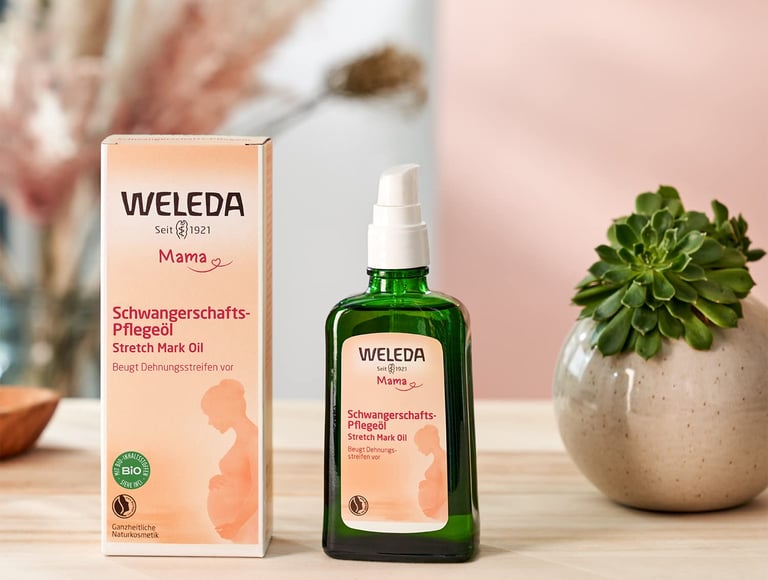
You likely won’t develop stretch marks yet in the first trimester, but it can be a lovely time to start a simple daily skincare routine. Oils are best to start with, they are light for your skin and easily applied - try this organic oil from Weleda - this brand has plenty of other mother and baby skin care products I will talk about later and I am still using their cream to this day!
Keeping your skin hydrated with creams or oils can:
help maintain skin elasticity
reduce itching as your body changes
give you a small moment of daily self-care.
Pregnancy is a big transition, and taking a few minutes each day to care for your body can feel surprisingly grounding.
Rest & Listen to Your Body
Many women experience significant fatigue in the first trimester. This happens because your body is working incredibly hard to support early pregnancy.
Try to:
rest whenever you can
prioritize sleep
avoid overloading your schedule.
Even short naps or quiet breaks during the day can make a difference. Try a pregnancy pillow - you will see how naps can feel like a hug! You will be having progressively more difficulties sleeping with your changing body so this is a must have from your first trimester - and it won't go to waste as you may use it as a nursing pillow as well. More on that on another post.
Avoid Information Overload
There is a lot of pregnancy information online, and not all of it is accurate or helpful.
Try to focus on reliable sources and medical guidance, and remember that every pregnancy is different. What works for someone else may not necessarily apply to you.
As both a first-time mom and a resident in emergency medicine, I strongly believe that combining real experiences with evidence-based information helps us make the best decisions for ourselves and our babies.
Start Planning — Slowly
You don’t need to prepare everything right away.
The first trimester is a great time to:
start learning about pregnancy
think about your birth preferences
discuss future plans with your partner
and simply enjoy the quiet beginning of this journey.
There will be plenty of time later for baby registries, nursery planning, and shopping.
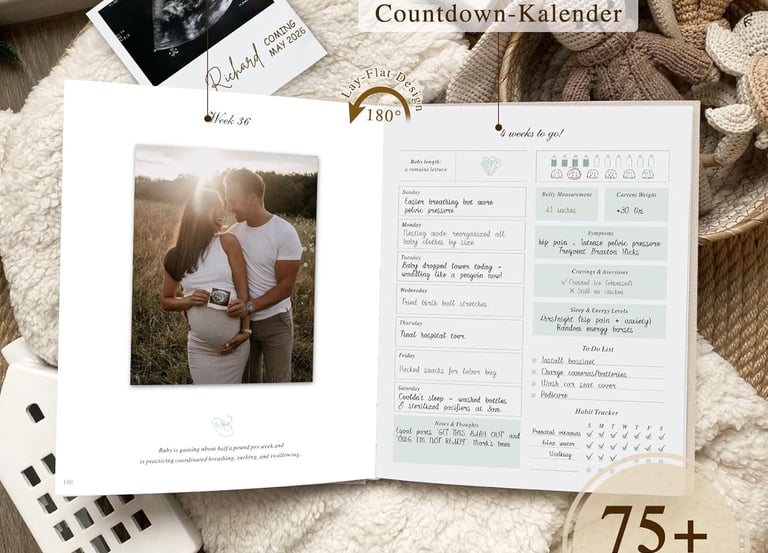
For now, focus on caring for yourself and the little life growing inside you. Get yourself the first gift - this pregnancy planner so you don't forget your appointments, record important milestones and enjoy this with a peace of mind.
Books to add to your reading list
What to expect when you're expecting - an all time classic
Secrets of the baby whisperer - may feel a bit outdated but I loved the general idea of how to communicate with your baby and how to try and structure your days.
Parenthood the Swedish way - I may not have agreed to all the information (such as when to start solids, but more on that later) but I loved the general idea, it helps to have a discussion with your partner and calms you down.